Puerto Rico 4 Day itinerary
4 Days in Puerto Rico: The Ultimate Island Itinerary
Updated March 2026
Puerto Rico, known as the “Island of Enchantment,” is a vibrant blend of Taíno, Spanish, and African cultures. This is where you can find Caribbean culture and climate without leaving US territory. Whether you’re looking for world-class beaches, exciting adventures or immersion into the history, this 4-day itinerary offers you a taste of what “Live Boricua” (their official tag line meaning living like a local) actually means. Walking around San Juan, you hear the cadence of Spanish speakers, mixed with multiple languages of visitors and you smell the delicious aromas of local Puerto Rican food whilst enjoying the Caribbean climate.
Essential Travel Information
- Best Time to Visit Puerto Rico: Mid-April to June is ideal for avoiding crowds while enjoying great weather. Avoid August and September if possible as these are peak months for storms.
- Entry Requirements: As Puerto Rico is an unincorporated territory of the United States, US citizens don’t need a visa or passport to travel there (a fact that few people seemed to know, judging by the recent commentary on Bad Bunny’s Superbowl half time show). Non-US visitors need the same visa/passport as they would for the US so for Brits, you need to apply for an ESTA before you arrive.
- Currency & Language: The US Dollar is the official currency and major credit cards are widely accepted. What’s wonderful is that the locals speak both English and Spanish, both are official languages.
- Getting Around: Around old San Juan and nearby, you can walk the old town and hail an Uber for nearby areas. But hiring a car is highly recommended if you want to explore the rest of the island, as public transport can be limited and unreliable.
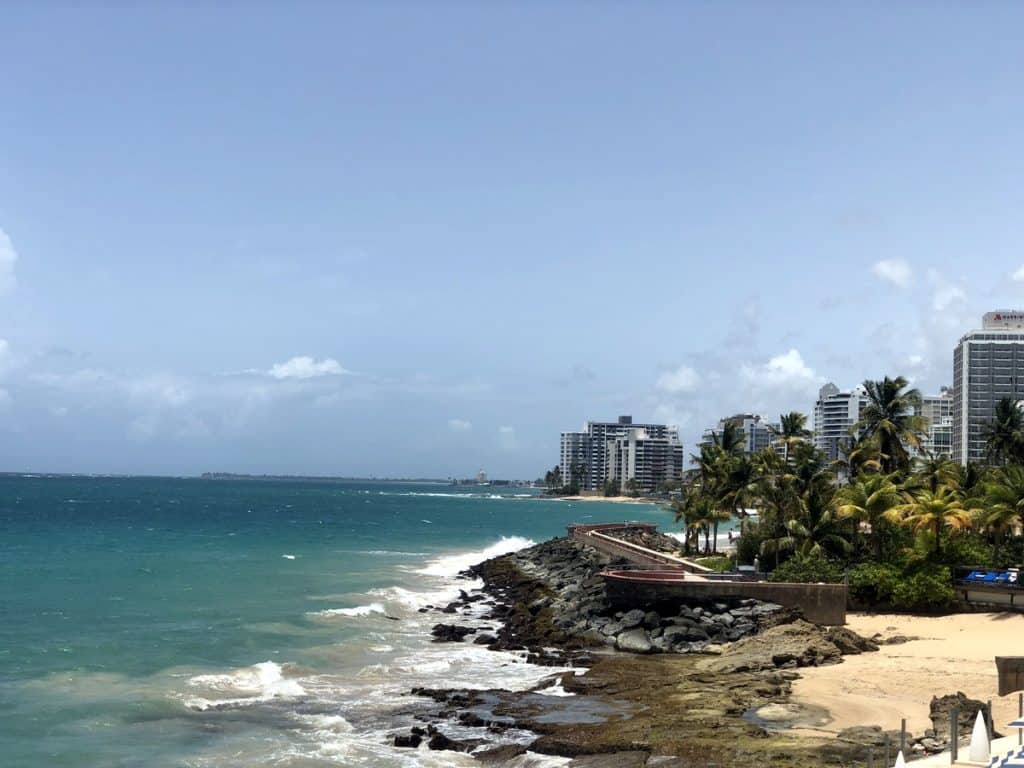
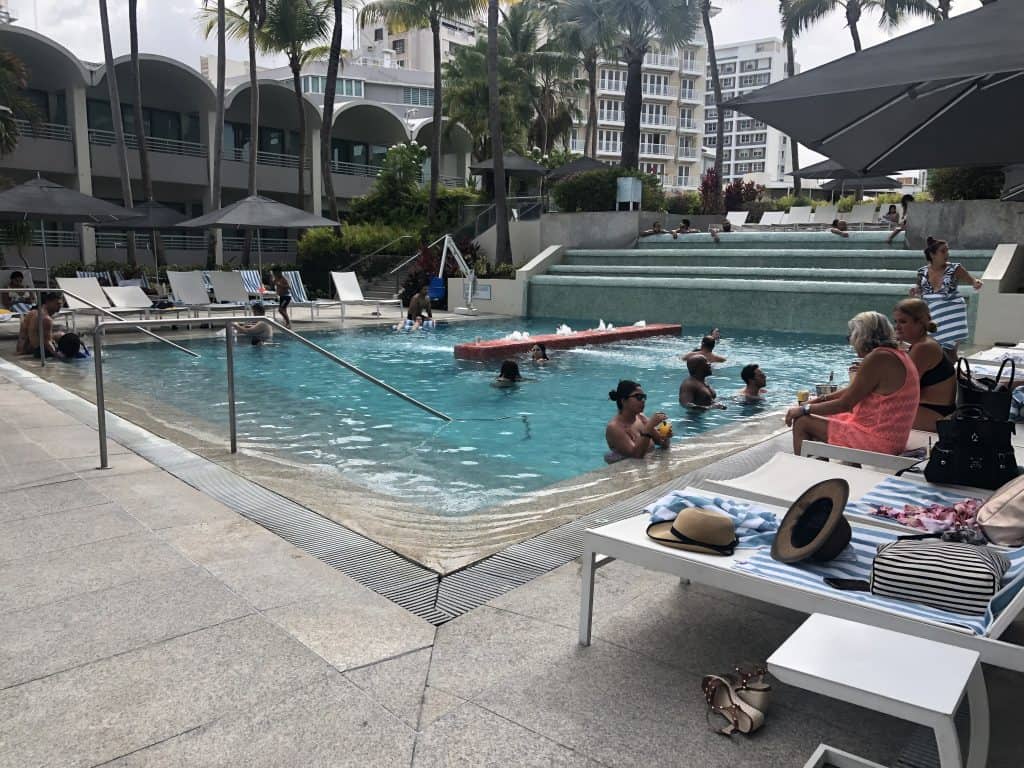
- Where to Stay: San Juan (Condado or Old San Juan) is the best base for exploring the north. For the south, Ponce is a great historic option. We stayed at the La Concha Resort on Condado beach, a $5 Uber from central San Juan. Alternatively, you can stay near Boquerón or Rincon on the other side of the island for a different vibe.

Interesting facts about Puerto Rico
- Bad Bunny (Benito Antonio Martínez Ocasio), Puerto Rico’s most famous personality, does a ton for promoting Puerto Rican culture and highlighting the plight of locals there in his activism. His residency “No Me Quiero Ir de Aquí” Residency in 2025″ brought in over 600,000 visitors to the island and significantly boosted the local economy. His recent Super Bowl halftime show had a strong Puerto Rican theme, performing about and for the people on the island and the diaspora, bringing in well-known Puerto Rican expats from New York and around. His Good Bunny Foundation supports youth, sports, and arts programs
- The indigenous Taino people played a major role in shaping the language, food and culture of Puerto Rico. There is very little Indigenous culture to see today but there is one old lady who lives mainly off-grid who still practices the old way of life. We didn’t have enough time to make contact to visit here but another group of journalists from National Geographic managed to organise a visit via a local guide. If you are interested, contact a local tour company.
- Puerto Rico has attracted a lot of tech bros, entrepreneurs like podcaster John Lee Dumas, and escapees from high-tax states like California. As it is still US territory, many have moved here as they don’t have to pay federal income tax (the US has a strange tax system where they have to pay state tax and federal tax, much more complicated than the UK tax system).
- Things you don’t see as a tourist: after talking to some locals and being shown around the island by them, I saw first-hand the destruction wreaked by Hurricane Maria, especially inland. Farms, homes, businesses and infrastructure were destroyed. Basic utilities were disrupted, electricity and water were cut off. One year on and much of the island still had no electricity as there was no federal funding to help with restoring the infrastructure. My friend’s mum was still relying on a generator at her home.
Day 1: History and Flavours of Old San Juan
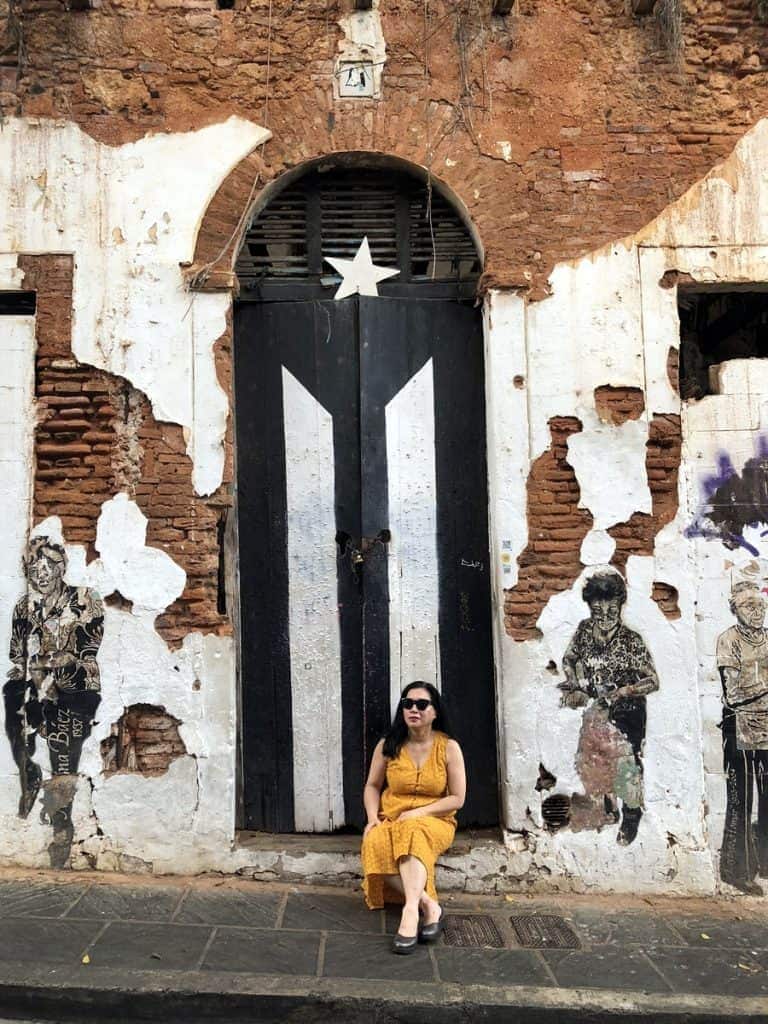
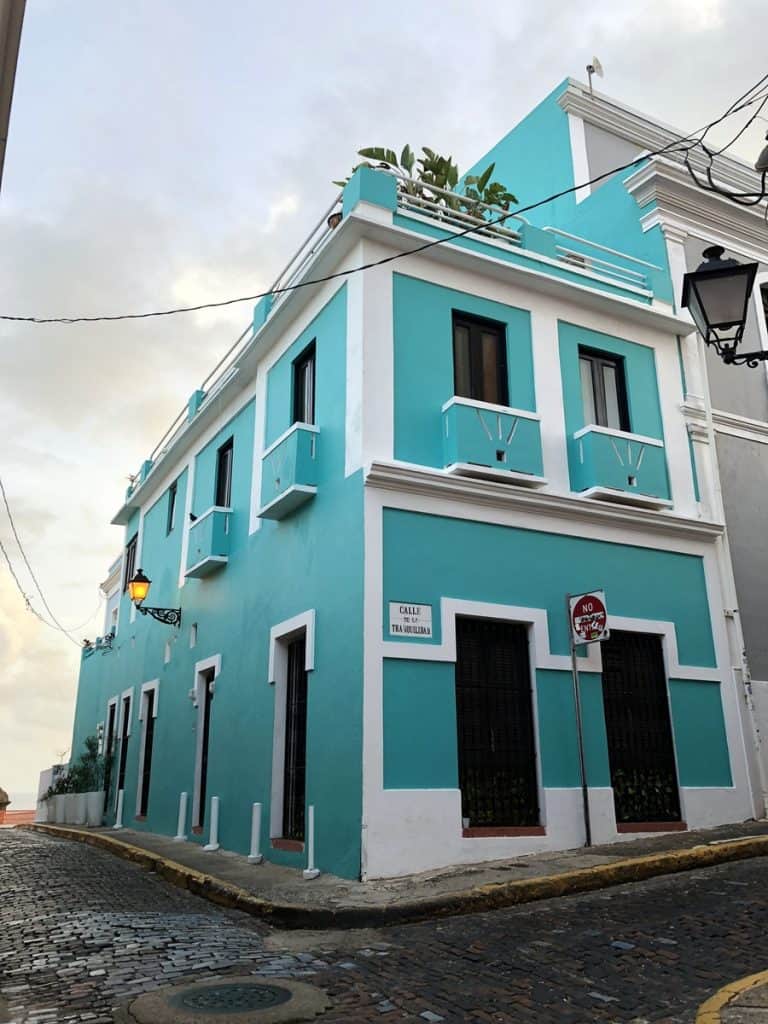
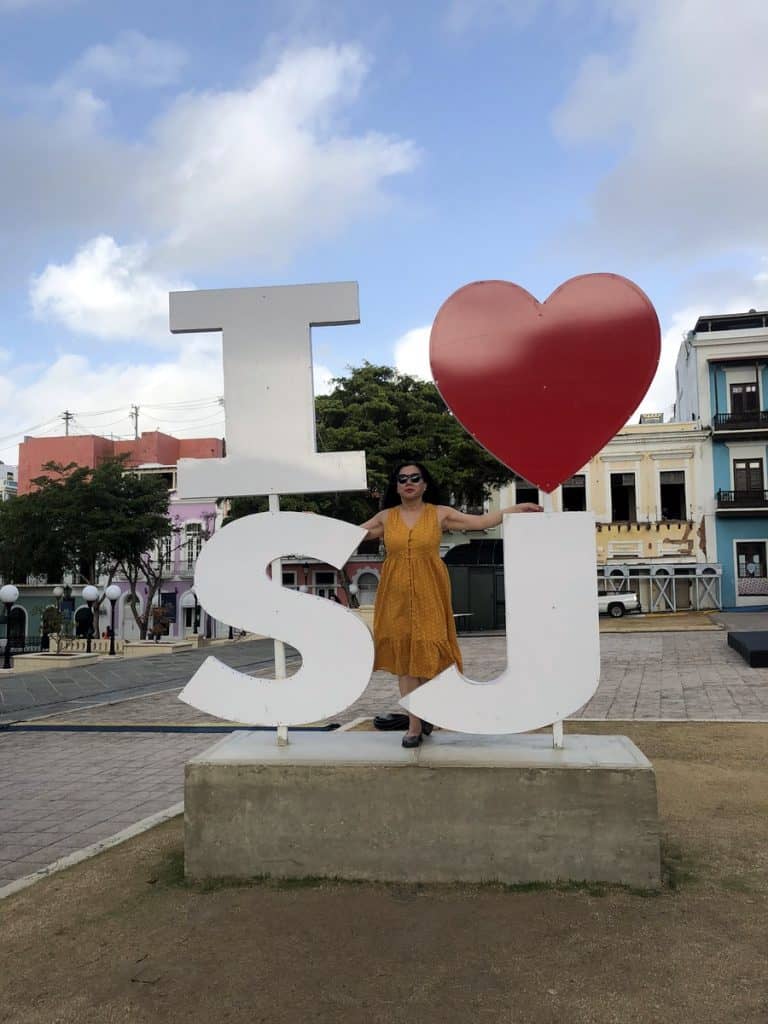
Get to know Puerto Rico by starting your trip in Old San Juan, a 500-year-old colonial district famous for its cobblestone streets and colourful buildings. We went there early one morning to avoid the crowds and to explore the colourful backstreets of old San Juan. The colonial architecture is beautiful, like being back in Europe. There are also lots of photo spots with street art and colourful backdrops like the famous umbrella street and the I love San Juan sign. (Sorry, had to do some Instagrammy pics and unusually, some that feature me in them.)
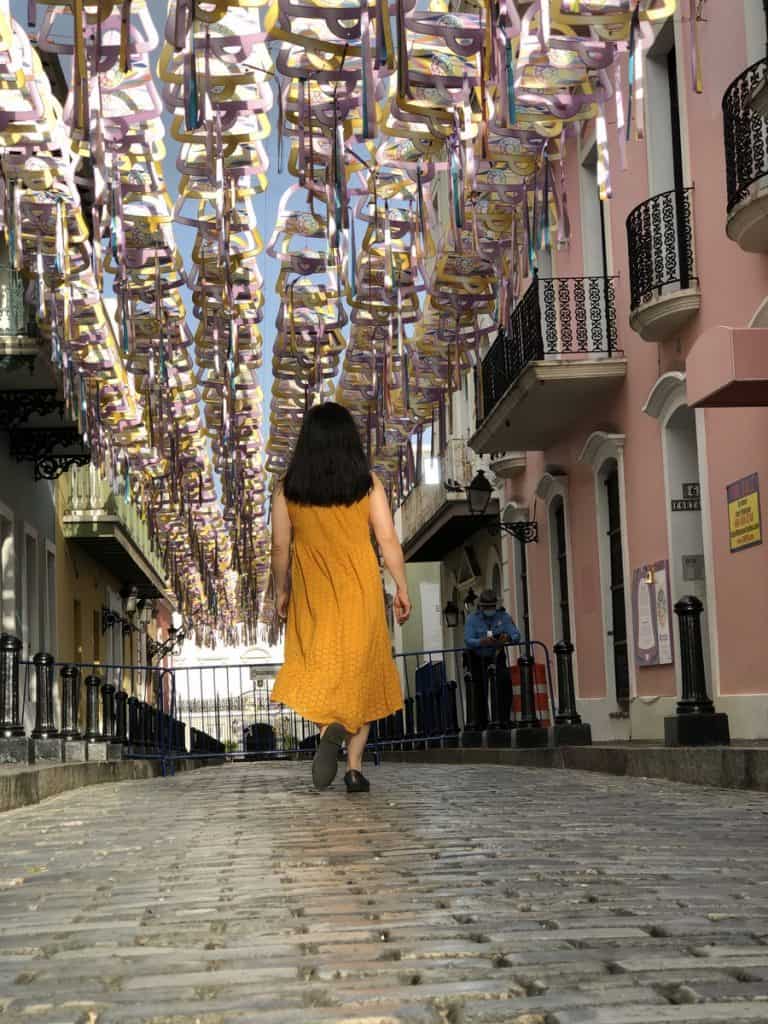
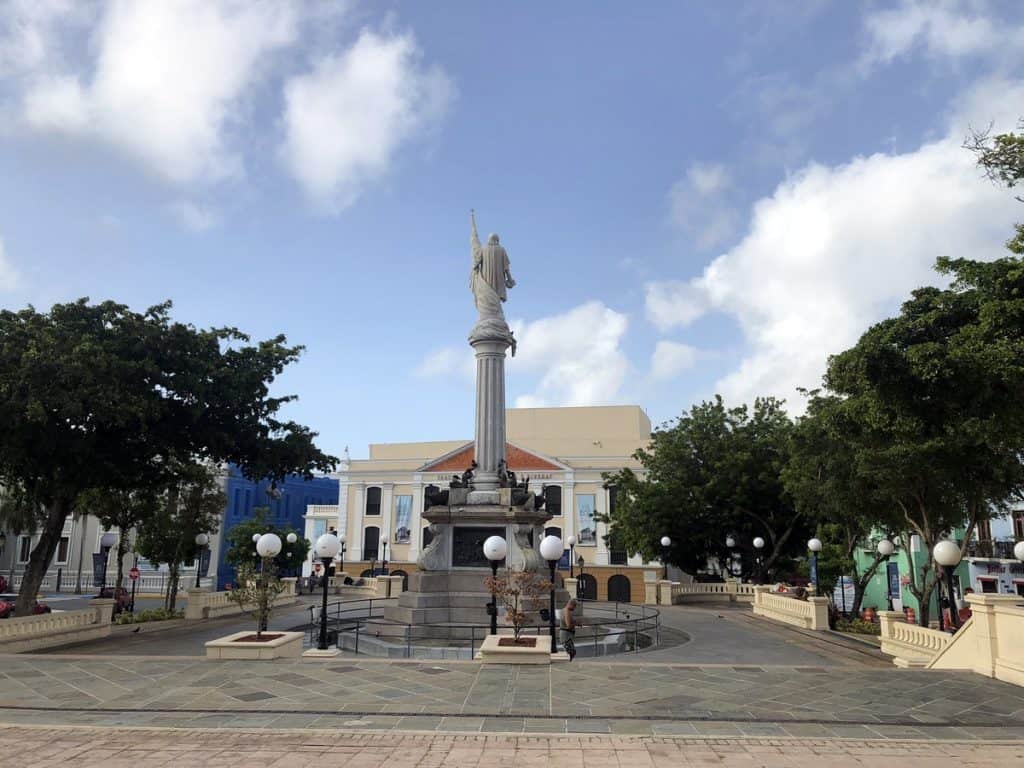
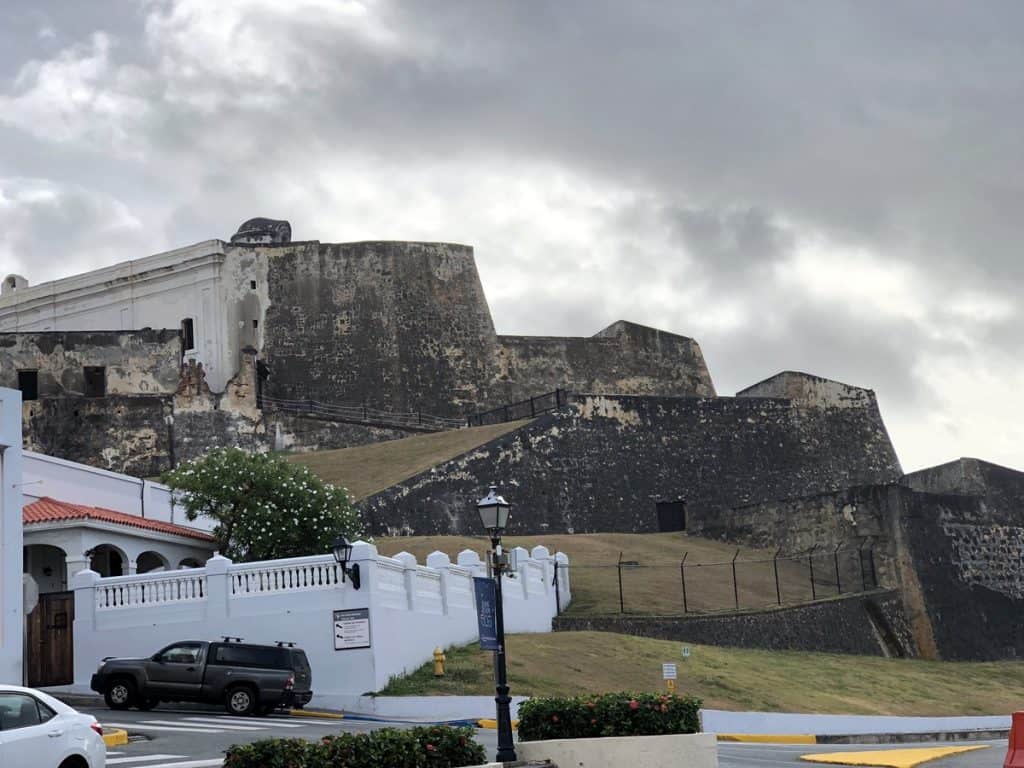
Take a wander through Plaza de Armas and visit the Catedral de San Juan Bautista, one of the oldest buildings in the city. Stop by via the photogenic “umbrella street” or Calle Fortaleza. Walk along the Paseo de la Princesa toward the UNESCO World Heritage Site, Castillo San Felipe del Morro, a massive 16th-century fortress built to protect the bay. Take a photo at the I love SJ sign.
Grab lunch in San Juan. Try the Chocobar Cortés, run by the 4th generation of a family that owns a Caribbean chocolate brand. This place is fabulous for delicious hot chocolate, brunch type dishes and the must try hot chocolate with cheddar cheese (strange but it works). Don’t miss the art exhibit upstairs where they feature local artists as part of their commitment to support local culture. They also introduced me to a local cacao farmer and I documented my visit to the farm in another post.
Foodie Highlight: Join a food tour around San Juan to get a taste of local favourites like Arroz con Gandules (rice with pigeon peas), Mofongo (national dish made with plantain) and Pernil (roast pork). There are a few food tours on offer, just around San Juan or one going out of town. Don’t miss the good stuff. Here’s a guide to what to eat and drink in Puerto Rico.
End your day by visiting Barrachina, the birthplace of the Piña Colada or salsa your night away at La Factoría, one of the World’s Top 50 Bars in the heart of San Juan. You might need a local to tell you where, as they are so famous that there isn’t a sign on the door. But you can’t miss it, it is always heaving, just follow the music.
Day 2: Beaches and the Caribbean Rainforest
Explore the island’s natural beauty, from the sea to the lush green, inland mountains. Not far from San Juan, you will find Luquillo Beach, a long sandy beach that is a favourite with the locals. You can tell that this is very popular by the number of food kiosks lining the road on the way there and the sheer size of the parking lot. Take a beach stop and spend some time at Luquillo Beach (Balneario de Monserrate) and grab a bite from one of the “kiosks”.
Kioscos de Luquillo line the road that runs parallel to the beach and this goes on for miles. Don’t miss a stop at the “kioscos” where you can taste a vast variety of food. From barbecued pork to all types of fritters like Alcapurrias. We were there on a weekday so it wasn’t too crowded, but what a vibe. Totally local, wonderful smells and delicious bites.
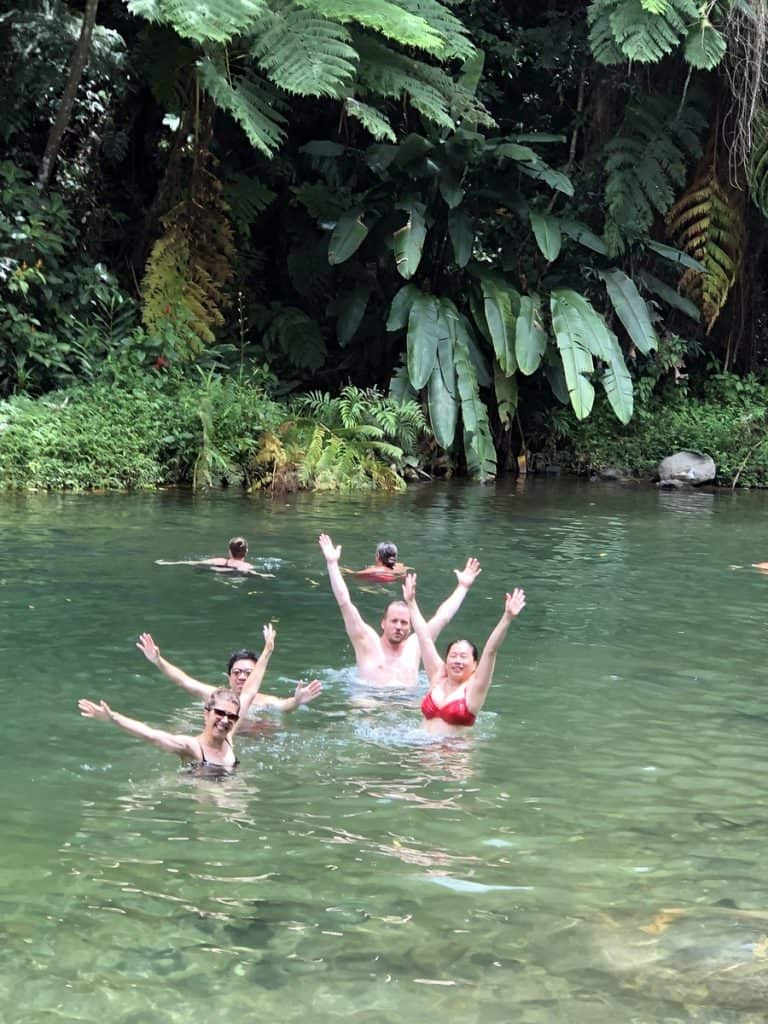
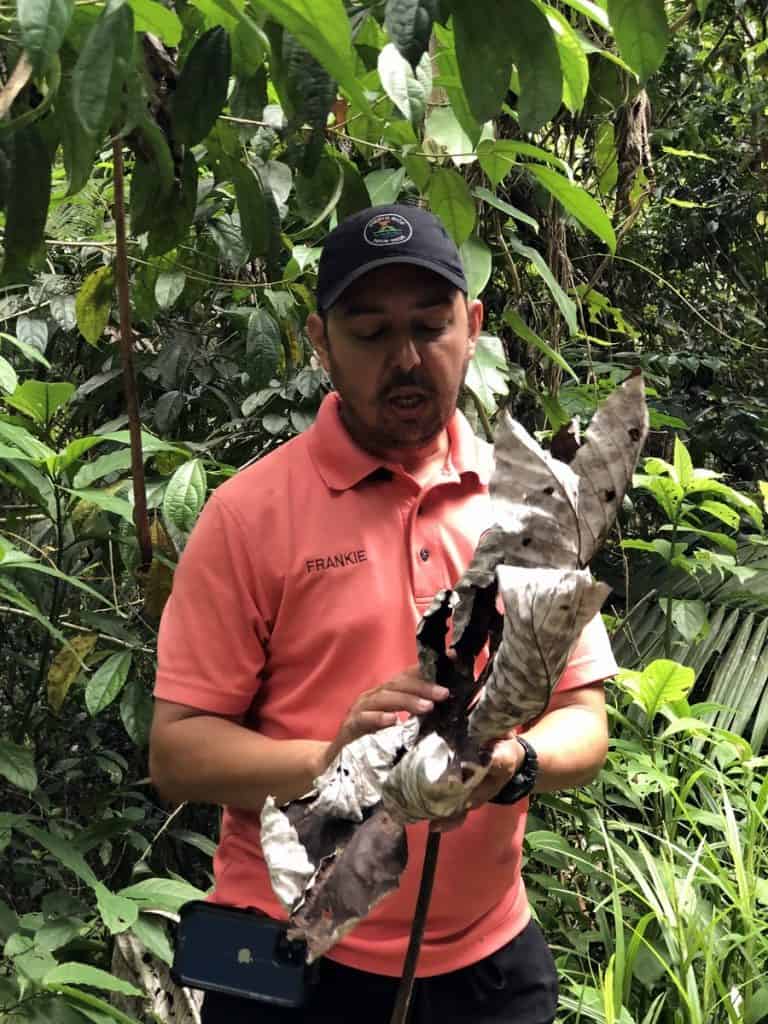
From here, drive further inland to the El Yunque National Forest, the only tropical rainforest in the US National Forest System. El Yunque is a lush green area with hiking trails, natural streams and pools and waterfalls like La Coca Falls. While there, stop at the viewing point of La Coca where you have 360 views of the rainforest. Keep an ear out for the “ko-kee” song of the Coquí frog, the island’s unofficial symbol. It might be easier to take a tour of El Yunque with a guide that will take you to the best spots and tell you about what you’re seeing. Ours did a little bit of natural history as well as taking us to the best little swimming spot in the middle of the rainforest.
Tip: wear your swimsuits under your clothes for this trip as there are no changing room or any type of facility nearby.

Day 3: Sustainable Farming, Rum and Chocolate
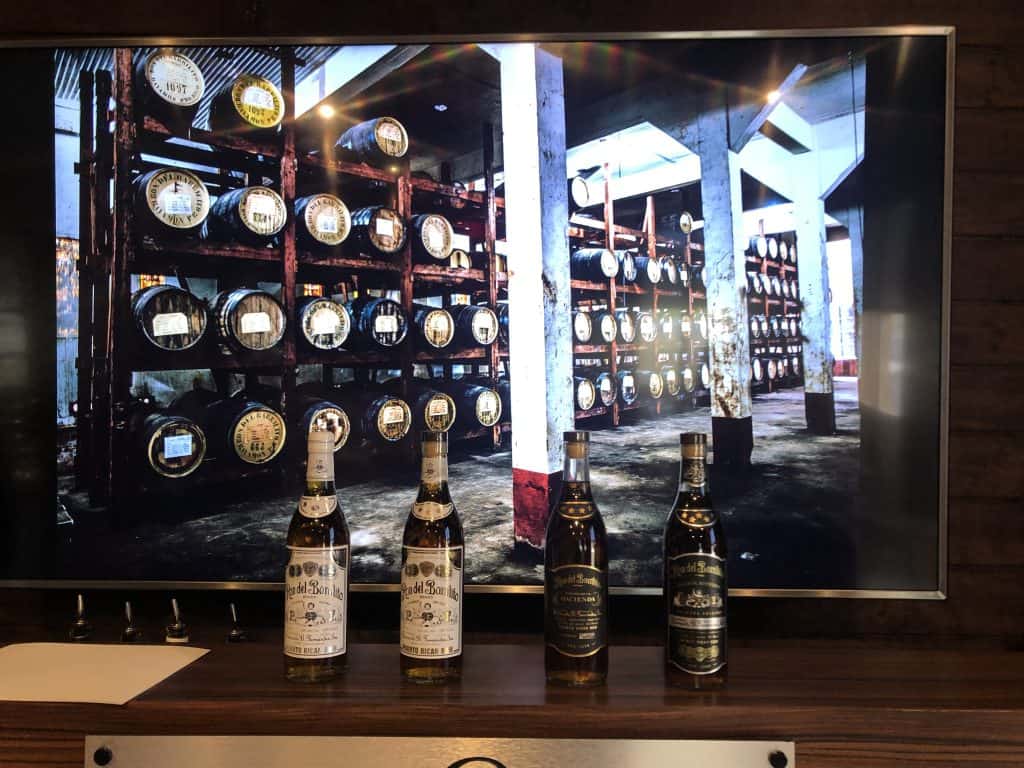
No trip to Puerto Rico is complete without a visit to a rum distillery. Many offer tours and tastings, so book ahead. We did a very informative tour of the Ron Del Barrilito distillery which ended with a tasting of several different rums and a couple of cocktails.
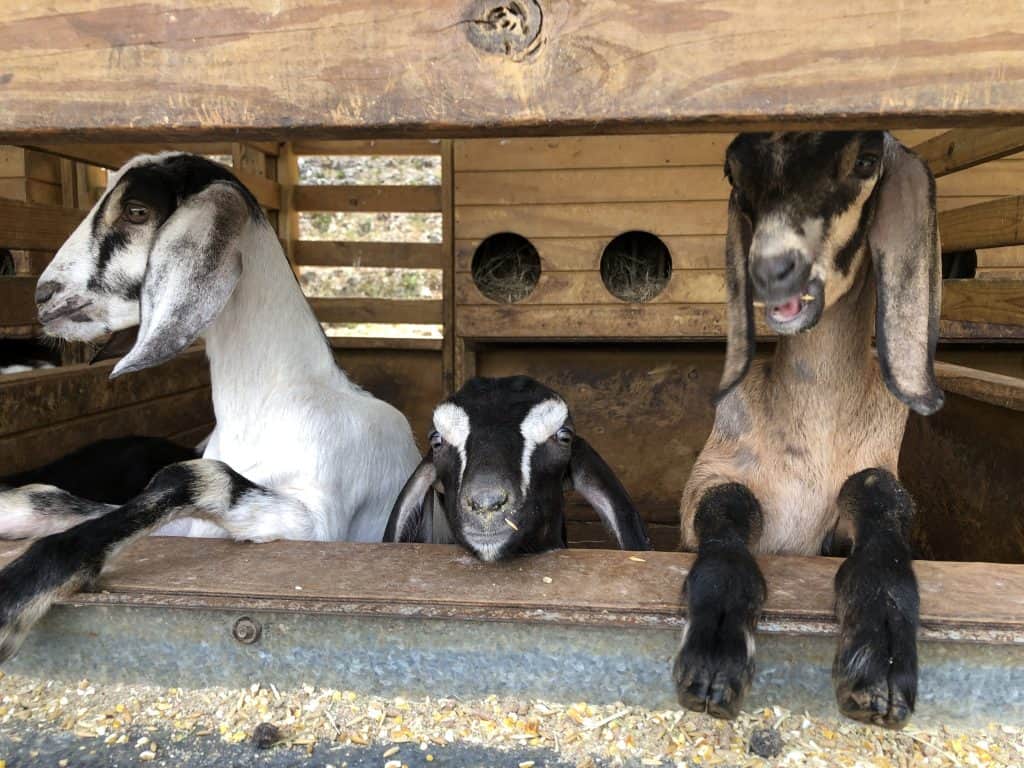
From here, head to the Frutos del Guacabo in Manatí for a sustainable hydroponic farm tour and a chef-prepared meal. We had lots of fun milking goats before lunch in their al fresco back garden.
Day 4: Adrenaline & The “Pork Highway”
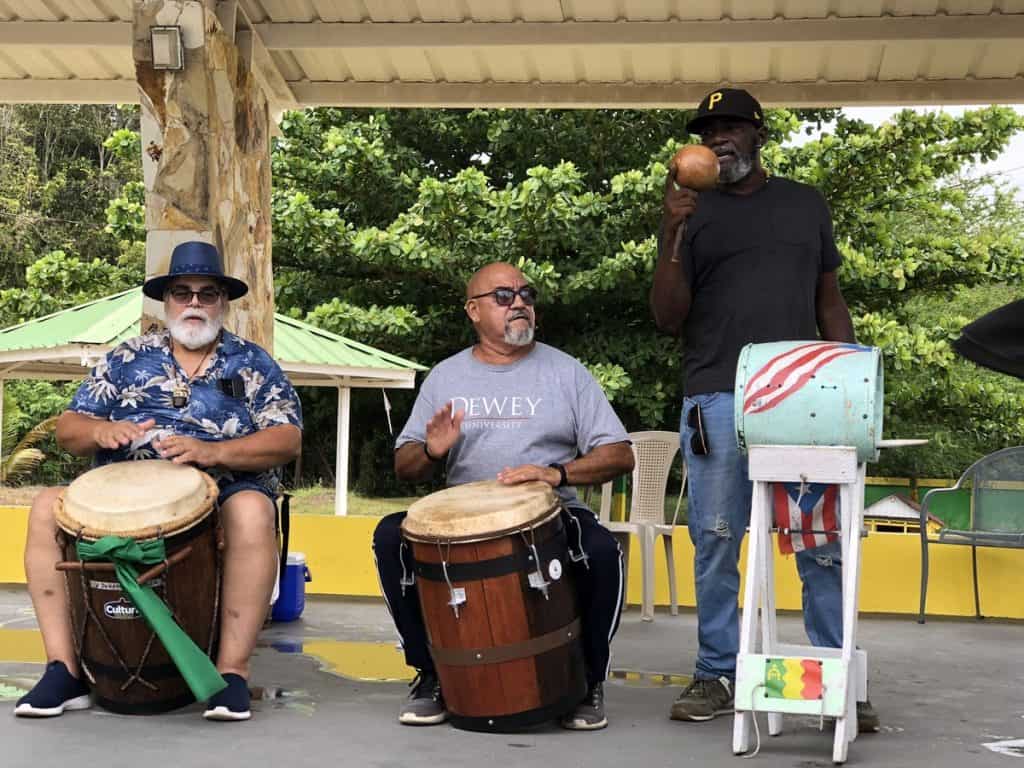
- Puerto Rican Soul and Culture: To see and feel the soul of some of Puerto Rico’s diverse community, catch some live music and a Bomba dance performance in Santurce, a powerful Afro-Puerto Rican tradition centered on percussion and song. The community space here hosts dance classes and more. It is the only place on the island that showcases the Afro-Caribbean roots of some of the population. Santurce is a short drive from San Juan but you can do it as part of a tour.
And then head into the mountains for a day of adventure and authentic Puerto Rican cuisine.
- The Monster or The Beast Zipline: Visit Toro Verde Eco Adventure Park, home to two of the longest ziplines in the world, (Monster 2.5km and The Beast 1.5km) where you can “fly” Superman-style over the jungle canopy at speeds of up to 60mph.
- Eat your fill on the Ruta del Lechón: One of the foodie highlights of Puerto Rico, drive to Guavate to experience the “Pork Highway”. This area is world-famous for its Lechoneras, which serve spit-roasted pork slow-cooked over open fires. It is a true Puerto Rican gastronomic heritage experience.
Extend your trip
If you can extend your stay, these are the most popular “bucket list” items for visitors:
- Mosquito Bay (Vieques): The brightest bioluminescent bay in the world, which we didn’t get to visit due to the weather. If you do go, bring mosquito repellent.
- Kayaking Condado Lagoon: Spend your morning kayaking or paddleboarding in the Condado Lagoon, where you might spot manatees or sea turtles among over 100 species of tropical fish.
- Cabo Rojo: Famous for its dramatic pink salt flats and breathtaking sunsets. This is quite a drive away from San Juan but worth the trip.
- Playa Negra: A stunning black sand beach located on the island of Vieques.