
Eating Your Way Through Nepal: A Foodie Guide to Your Himalayan Trek
This is a guest post by Samita from Nepal. Samita Maharjan is part of the Magical Nepal team, passionate about travel, culture, and sharing Nepal’s beauty with the world.
Note from the editor: Being in London, you will find cuisines from almost every country. As we have a large Gurkha population and other Nepalese in the UK, their cuisine is not unknown here but is not that well known. I’ve had momos from street food stalls and Nepalese dishes in “Indian” restaurants. As I am not familiar with the cuisine, I don’t really know what the local cuisine is in Kathmandu and the Himalayas, but my guest writer does. Here, she highlights what food lovers shouldn’t miss.
You can easily spend two weeks eating your way through the old bazaars of Kathmandu, then wander deep into the Himalayas, eating in the family kitchens at the back of teahouses. The foodie guide below introduces you to the street food of Kathmandu, Newari cooking in the Kathmandu Valley and the varied mountain fare to expect on while you are on your twelve-day trek on the Manaslu Circuit.
About the Manaslu Circuit
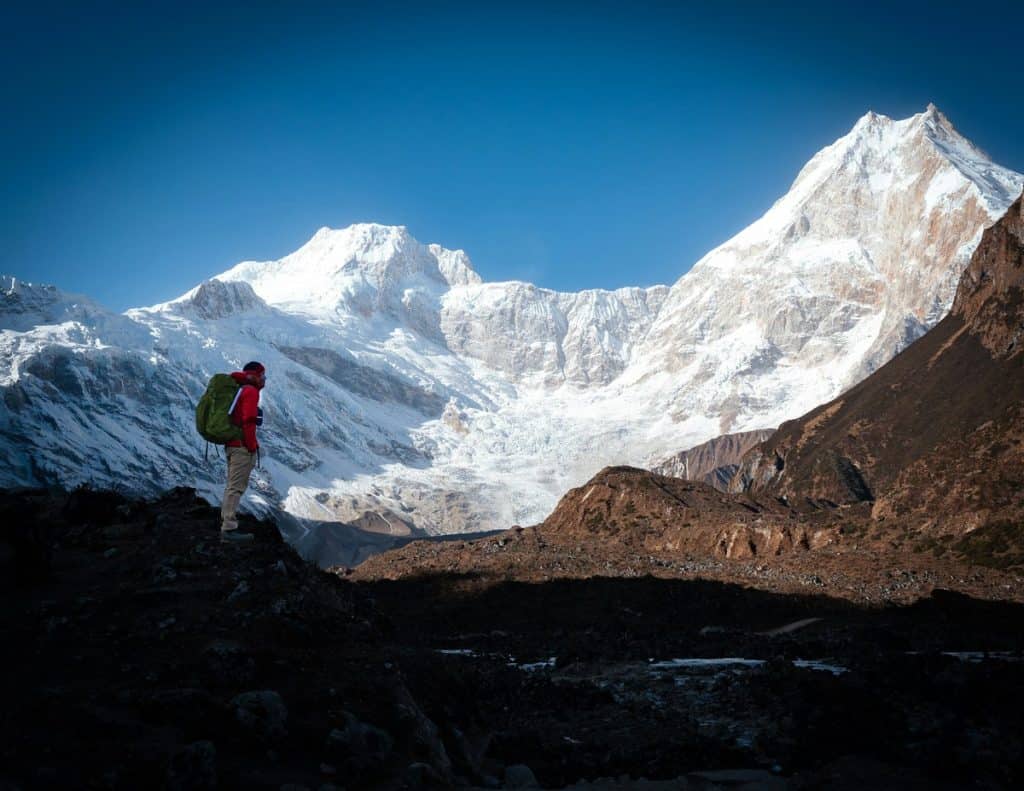
The Manaslu Circuit is a popular 100 mile high-altitutude trek in Nepa that circles Mount Manaslu. It is the 8th highest mountain in the world standing at 8,163 m. This trek can take 13- 19 days with a minumum of 12 days walking. The highest altitude on this trek is 5,167m at the Larkya La Pass.To get there from Kathmandu involves a 7-9 hour jeep or bus ride, which follows the Buri Fandaki River through Tibetan influenced Nurpi villages.
This is quite a challenging trek and you will need to be quite fit. If you are planning on undertaking this, know that you must travel with at least on licensed guide that you can book via a registered agency. You will need to apply for a Manaslyu Restricted Area permit and you need to have the right travel insurance to get this approved.
Food will cost roughly NPR 1,500 to 2,500 (£7 to £12.50) a day in the city and NPR 3,000 to 5,000 (£14 to £25) a day on the trail, rising with every metre you gain in altitude.
For most visitors, the momo stall is the high point of a food trip to Nepal. The more interesting food experience begins when you leave Kathmandu and head to the mountains. The route for trekking to Manaslu Circuit passes through Gurung farming villages, then climbs to Tibetan-speaking villages close to the border, before crossing the 5,106 m Larkya La pass. The food you eat will be different at each stage. Lentils and rice give way to roasted barley flour, salted butter tea and noodle soup thick enough to stand a spoon in.
A Brief Summary
- Days 1 and 2 in the Kathmandu Valley: Asan Bazaar for street snacks, Bhaktapur for King Curd and Boudha for Tibetan food.
- On the trail: Dal bhat is the safest and best-value meal, and the rice and lentils are refilled for free.
- On the Manaslu Circuit: The food is Tibetan, built around tsampa, butter tea and thukpa.
- Teahouse prices: They roughly double between the low valley and the high villages, because every bag of rice arrives on a mule or a porter’s back.
- Meat: Once the road is far behind, skip it. It will have spent many days without refrigeration.
- Your last night in Kathmandu: Save it for a full Thakali dinner.
| Your Two Week Guide to Food in Nepal | ||
|---|---|---|
| Day | Where | What to Eat |
| 1 | Kathmandu: Asan and Indra Chowk | Avoid eating momos, sel roti, milk tea, and aloo tama. |
| 2 | Bhaktapur at dusk | Juju dhau, bara, chatamari, laphing, and butter tea. |
| 3 | Drive to Machha Khola | Roadside dal bhat or pakoras. |
| 4–7 | Jagat, Deng, and Namrung | Vegetable dal bhat, gundruk, and millet roti. |
| 8–10 | Lho, Samagaun (rest day), and Samdo | Tsampa (roasted buckwheat flour), butter tea, thukpa, and Tibetan bread. |
| 11 | Dharamsala | A simple, warm early-evening meal. |
| 12 | Trek from Larkya La (5,106 m) to Bimthang | A packed breakfast and a well-deserved lunch. |
| 13 | Descend to Tilije and Dharapani | Fresh fruits and apple pies. |
| 14 | Drive back to Kathmandu | Finish the trip with a traditional Thakali set meal. |
What Should You Eat in Kathmandu?
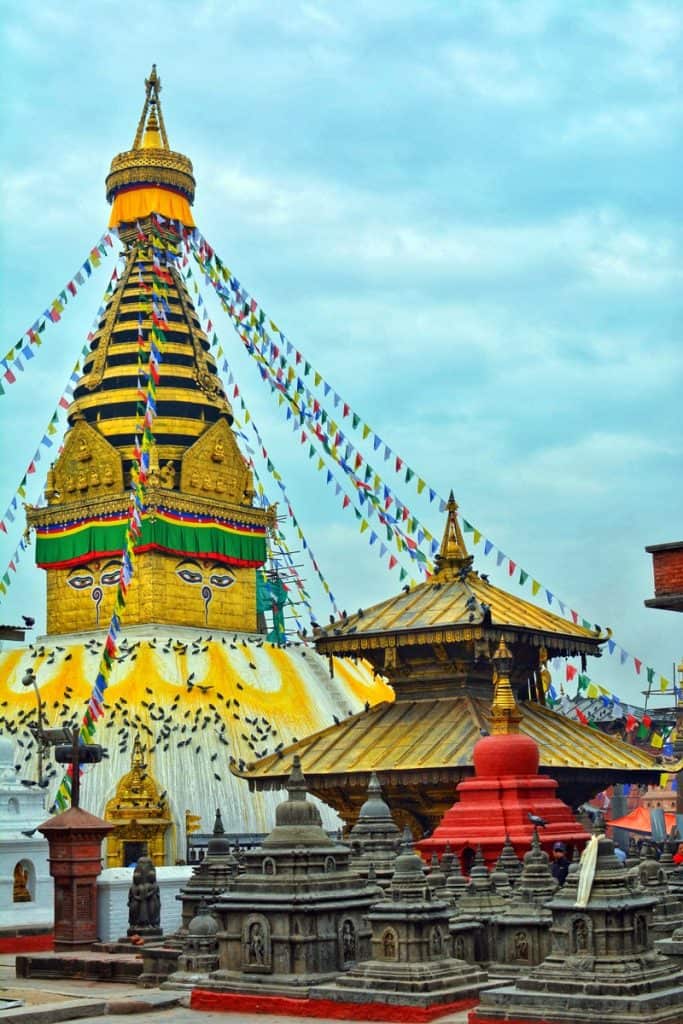
Begin at Asan Bazaar, the oldest market square in Kathmandu and walk south to Indra Chowk. These lanes have supplied traders for centuries, and the food is cheap and freshly made.
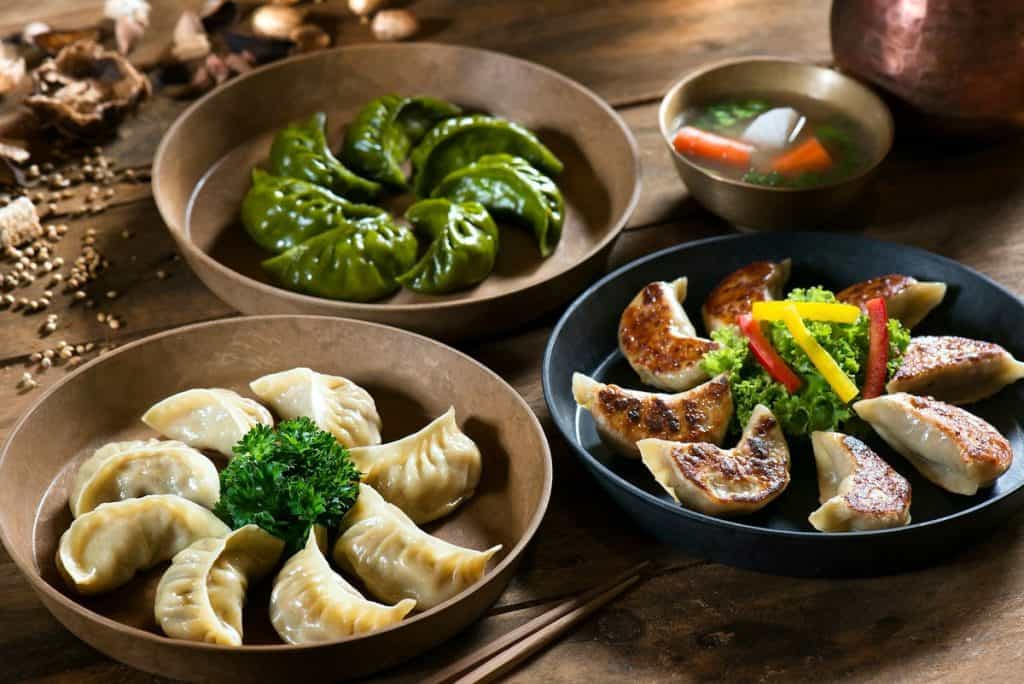
Momos: Nepali stuffed dumplings, filled with buffalo, chicken or vegetables. Try jhol momo, served in a sesame and tomato broth. A plate of ten costs about NPR 150 to 300.
Sel roti: A crisp, sweet ring of rice-flour dough, best eaten with tea in the morning. Each costs about NPR 30.
Chiya: Milk tea boiled with sugar and spices and served in small glasses for NPR 30 to 60. It is the most popular local drink and is served all day.
Aloo tama: A sour soup of potato, black-eyed beans and fermented bamboo shoots. The aroma takes some getting used to, but the taste wins most people over.
A local tip is to eat light and often. Grazing small plates through the afternoon works better than one big meal.
Where Is the Best Newari Food in the Kathmandu Valley?
Bhaktapur, a medieval town about an hour from Kathmandu by road, has the best Newari cooking. The Newars are the valley’s original inhabitants, and their cuisine is built on rice flour, lentils, buffalo meat and fermented flavours.
Juju dhau (King Curd): A thick, sweet buffalo-milk curd set in clay pots. A small pot costs about NPR 100 to 150 and tastes nothing like supermarket yoghurt.
Bara: A lentil patty fried on a flat pan, sometimes topped with an egg.
Chatamari: A thin rice-flour crêpe topped with minced meat or egg, sometimes called Newari pizza.
Yomari: A steamed rice-flour dumpling filled with molasses and sesame. A few shops sell it year-round, but it is made in large quantities for a festival in December.
Samay baji: A ceremonial platter of beaten rice, buffalo meat, black soybeans, ginger and boiled egg. A full set costs about NPR 300 to 500.
In the evening, head to Boudha, where you will find small Tibetan cafés around the great white stupa serving laphing, a chilli-spiced mung bean noodle dish, along with salted butter tea. You will be served butter tea daily in the high villages and it might be a challenge to your taste buds, as it’s an acquired taste.
What Can You Eat in the Teahouses of the Manaslu Circuit?
Every teahouse on the circuit serves dal bhat, along with noodles, potatoes, soups and eggs. Beyond those basics, the local food changes as you climb.
The lower valley: dal bhat, gundruk and millet roti
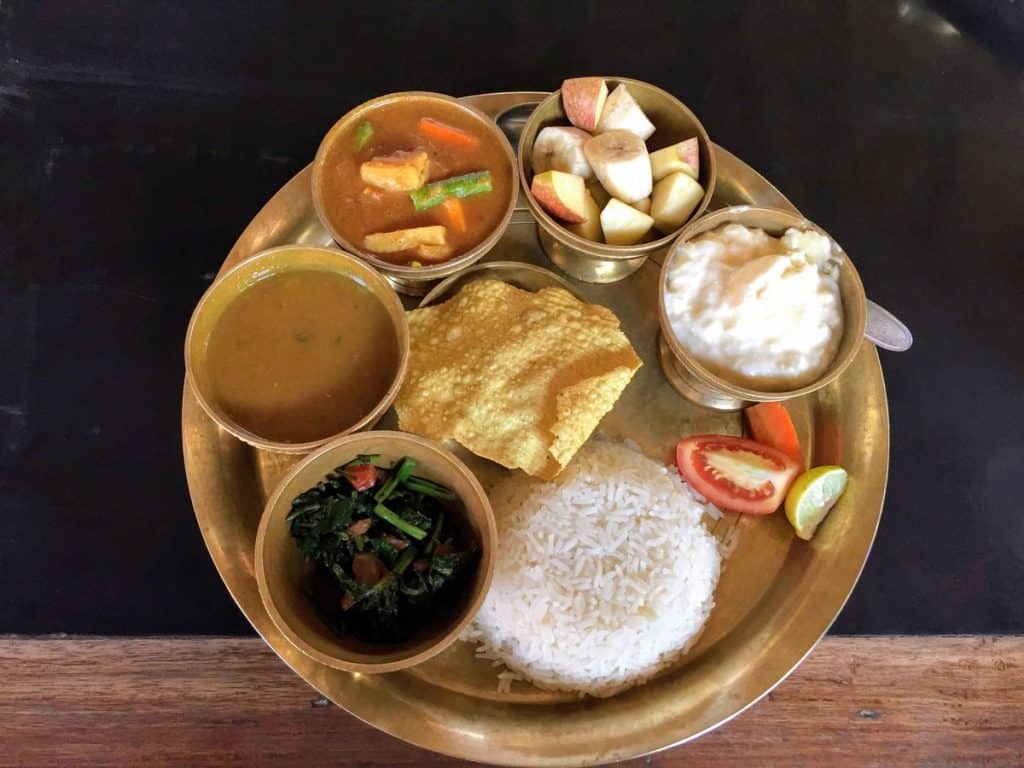
The first few days follow the Budhi Gandaki river through Gurung and Magar villages. Here, dal bhat comes with greens picked that morning and a spoonful of pickle, sometimes gundruk, a fermented leafy green with an earthy flavour. Some kitchens also make millet roti, which is dense, darker and nuttier than wheat bread.
Dal bhat in this section costs roughly NPR 600 to 800, and your host will keep refilling your rice until you cover the plate with your hand. Porters and guides eat it twice a day, and after a long climb the reason is obvious.
The Nubri villages: tsampa, butter tea and thukpa
Above Namrung, the culture shifts and the food changes with them. You will pass Tibetan Buddhist villages, prayer walls and yaks grazing beside potato fields at Lho and Samagaun.
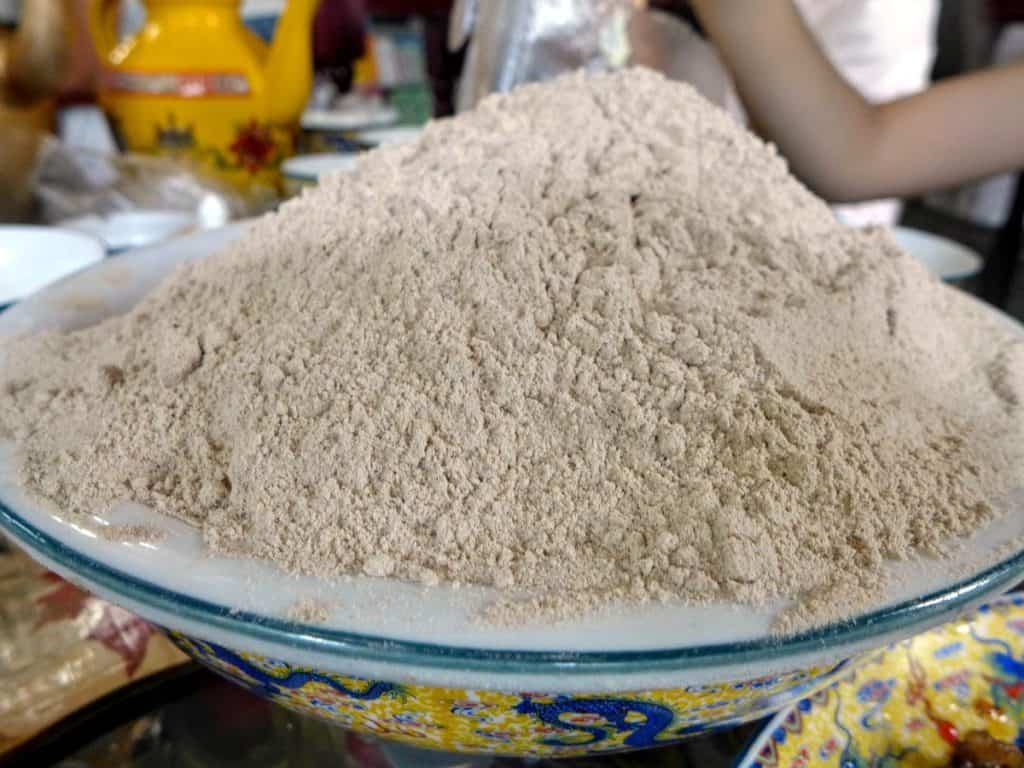
Tsampa: Roasted barley flour, mixed into a dough or porridge. It has been the backbone of the high-mountain diet for centuries.
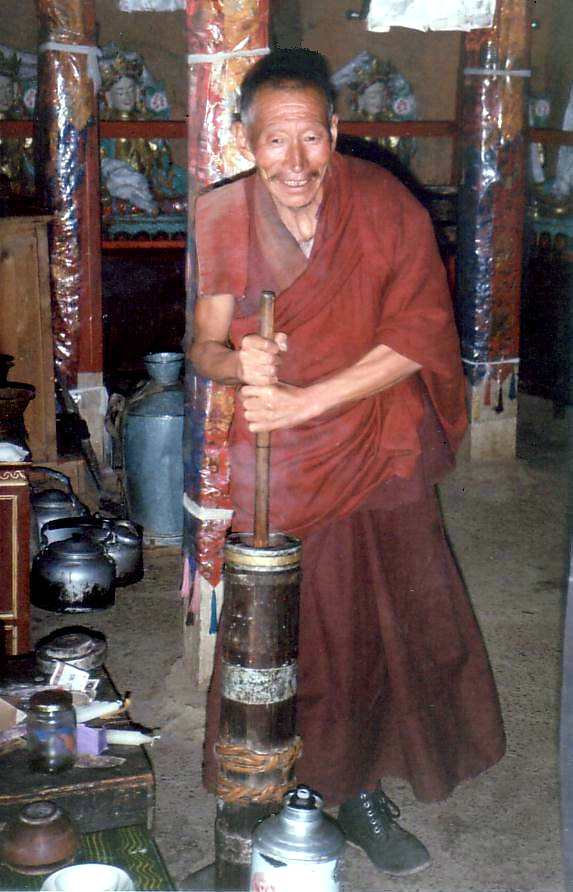
Butter tea (po cha): Black tea churned with salt and butter, usually the rich Yak butter. It is closer to a soup than a tea, and at 3,500 m it makes sense.
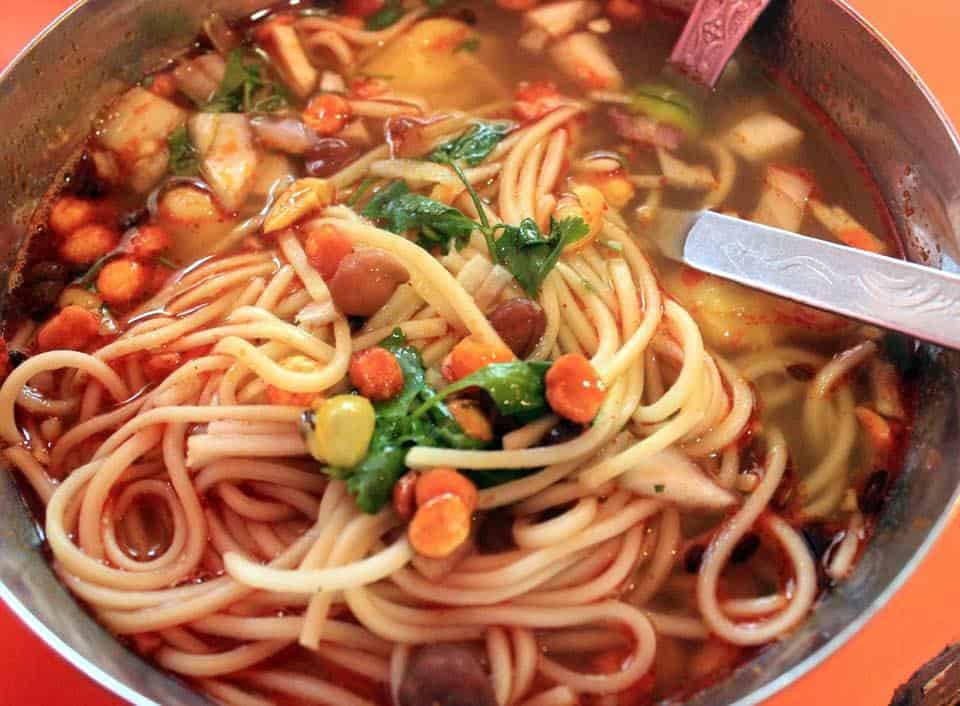
Thukpa: A hand-pulled noodle soup with vegetables, sometimes with egg. In the high villages, it costs about NPR 600 – 900.
Tibetan bread: Deep-fried, puffy bread, best at breakfast with honey or jam.
Samagaun is the acclimatisation stop, with one full rest day. Spend part of it in a lodge kitchen and see how much work goes into preparing a meal on a dung or wood stove at this altitude.
Over the pass and back down
Pass day starts in the dark, with a hearty breakfast of boiled eggs and Tibetan bread. The walk from Dharamsala over Larkya La to Bimthang takes about eight to ten hours and you will be very thankful for the dal bhat waiting at the bottom.
From Bimthang, the trail drops down through forest to Tilije and Dharapani, then rejoins the Marsyangdi Valley. Fresh apples and vegetables reappear, and some stalls sell apple pastries made with fruit grown higher up the valley.
Samagaun is the acclimatisation stop, with one full rest day. Spend part of it in a lodge kitchen and see how much work goes into preparing a meal on a dung or wood stove at this altitude.
How Much Does Food Cost on a Nepal Trek?
Expect to pay around NPR 3,000 to 5,000 a day for food on the trek, and the higher the altitude, the more it costs. The prices below are approximate for autumn 2026.
| Item | Kathmandu | Lower Trail | Samagaun and Above |
| Dal Bhat | NPR 300–500 | NPR 600–800 | NPR 900–1,300 |
| Thukpa | NPR 200–350 | NPR 500–700 | NPR 700–900 |
| Milk Tea (Cup) | NPR 30–60 | NPR 100–150 | NPR 150–250 |
| Boiled Water (1 Litre) | Free–NPR 50 | NPR 100–200 | NPR 200–400 |
| Plate of Momos | NPR 150–300 | NPR 500–700 | Not always available |
Carry cash in rupees. There are no ATMs on the circuit, and card machines are rare away from the road.
What Should You Avoid on the Trail?
Once you are on the trail, avoid meat, raw vegetables and untreated water. Most trekking illness comes from one of these three.
Meat: Porters carry it in and it can sit for days without refrigeration. Hold out for the Thakali dinner when you are back in Kathmandu.
Raw vegetables: If you want vegetables, choose dishes that have been cooked or fried.
Tap and stream water: Use purification tablets, a filter or boiled water from your lodge. Conservation areas also discourage discarding plastic bottles.
Alcohol at altitude: Local rakshi and chhyang are part of the culture, but save them for the descent. They worsen dehydration and make altitude symptoms harder to interpret.
Garlic soup is on every high-altitude menu and has a reputation among trekkers as an altitude cure. It will not cure altitude sickness, but it is warm, salty and easy to eat when your appetite is low.
Is the Everest Region Better for Food Lovers?
Everest suits those who want more comfort, with bakeries, espresso and longer menus in the larger villages to feed the international visitors. The Manaslu Circuit is more authentic as fewer people visit, and the food is more homemade.
In Khumbu, look out for shyakpa, a Sherpa stew of hand-torn dough, potatoes and vegetables in a thick broth. This hearty one-pot dish comes from the Sherpa communities of Nepal and Tibet.
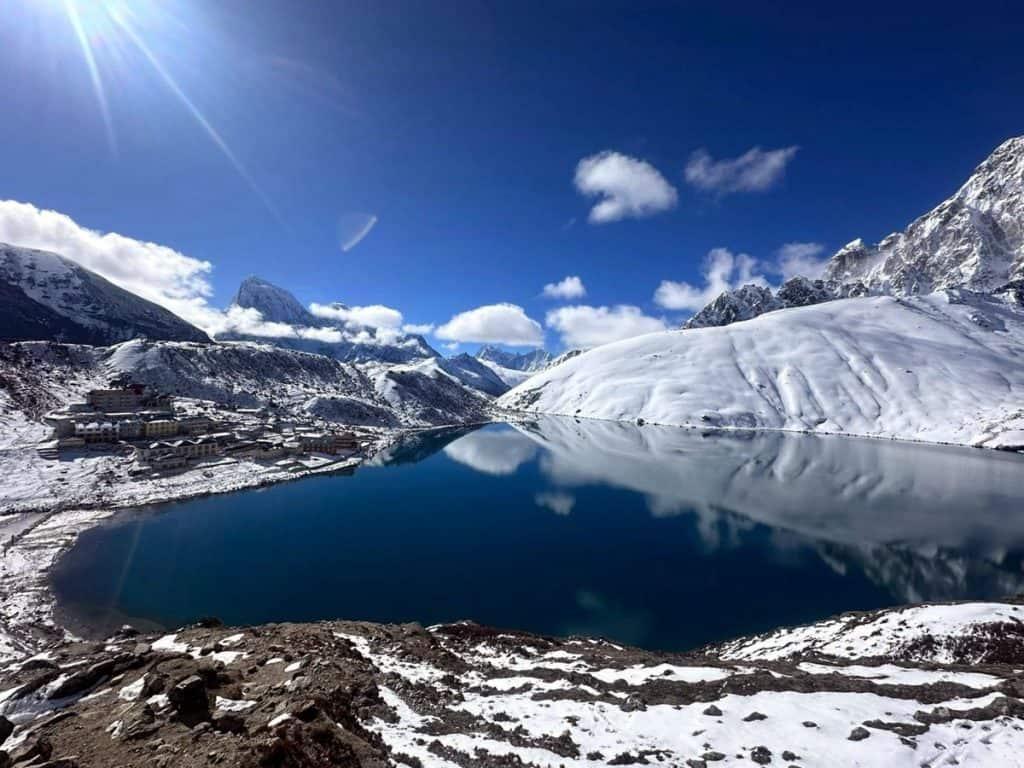
Another dish to try is riki kur, a potato pancake topped with yak butter or local cheese. On the route to Gokyo Lakes, which is quieter and passes glacial lakes, lakeside teahouses serve shyakpa at more than 4,700 m.
What Is the best meal to have back in Kathmandu?
You can’t visit Nepal and not have a Thakali set meal. The Thakali come from the Kali Gandaki valley and are known to serve the best food in the country. The meal is served on a brass plate: rice or buckwheat dhido, black lentil dal, mustard greens, pickles, potato curry and after two weeks of vegetarian trail food, a meat curry. Expect to pay NPR 600 to 1,000 for the set, with refills on offer. It is the meal trekkers talk about on the flight home and the one that makes them swear off butter tea for good.


