Amazon River Cruises Planning: What to Expect, Where to Go, and How to Pick the Right Boat
After watching the Ed Stafford two-part television documentary, Walking the Amazon River, which documented his journey as the first person to ever walk the entire length of the river. The journey of over 4000 miles took over 860 days and looked gruelling and unachievable for an average traveller. But there is a way to see parts of the Amazon by going on a river cruise.
After watching this, I added an Amazon River cruise to my bucket list. This is quite unlike my regular holiday choices, so this involves more research and chatting to other travel writers for their best tips. This is an expensive trip so managing your expectations will ensure you have a trip that will be memorable and full of rich experiences. Being on the Amazon is slow travel through the muddy river, murky with yellow mud and sometimes the lush rainforest canopy on both banks serenaded by the calls of different birds, insects and other animals.
Ideally, I would plan to take this river cruise as part of a longer trip to Peru. To explore Cusco and the Andes and visit my Peruvian Shaman teachers in the mountains.
What is it really like on an Amazon River Cruise?
Most Amazon river cruises are multi-day trips on a small ship or riverboat that works as your hotel and your transport. The boat moves you through the river system and daily skiff outings take you into tributaries, flooded forest, and villages. “Amazon cruise” is a very loose label, though. Routes, ship sizes, and the number of excursions vary a lot, so compare itineraries before you compare prices.
A Typical Day on an Amazon Riverboat
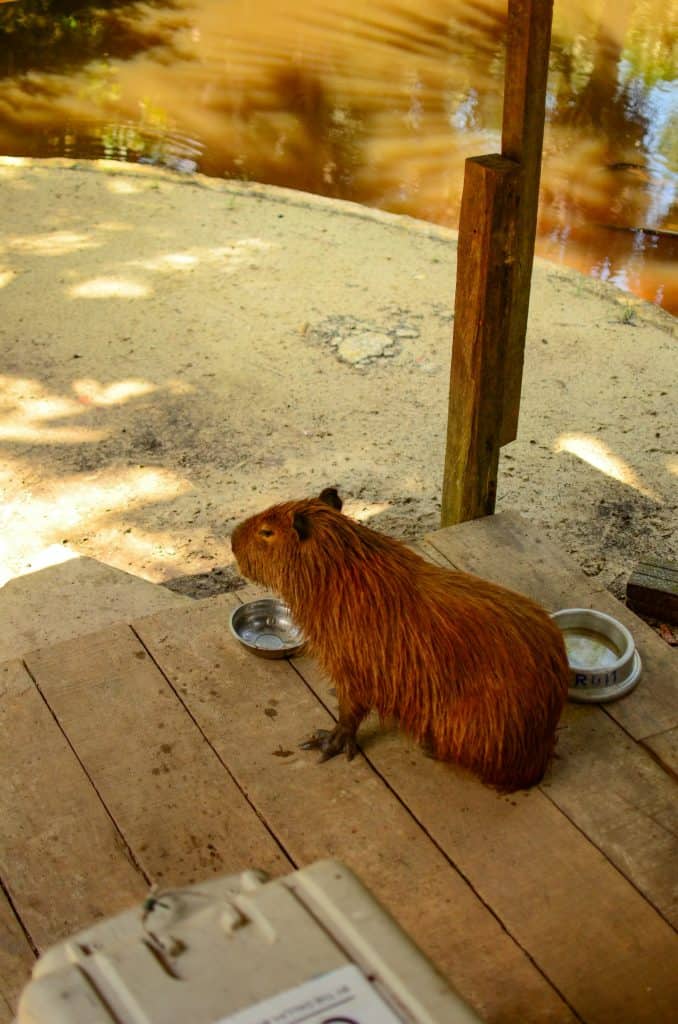
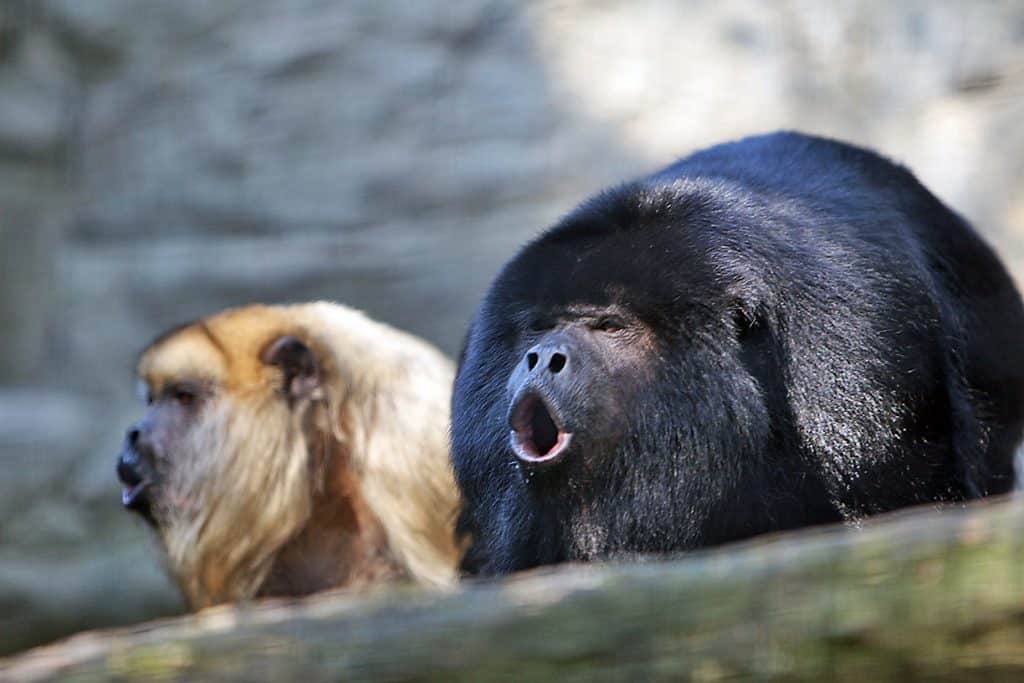
Here is what some of them told me about their trips on the river. They said to wake up early so you don’t miss the ultra loud Howler monkeys that start their chorus around 5 a.m., and breakfast is usually early so you can be in a skiff by 6:30 or 7.
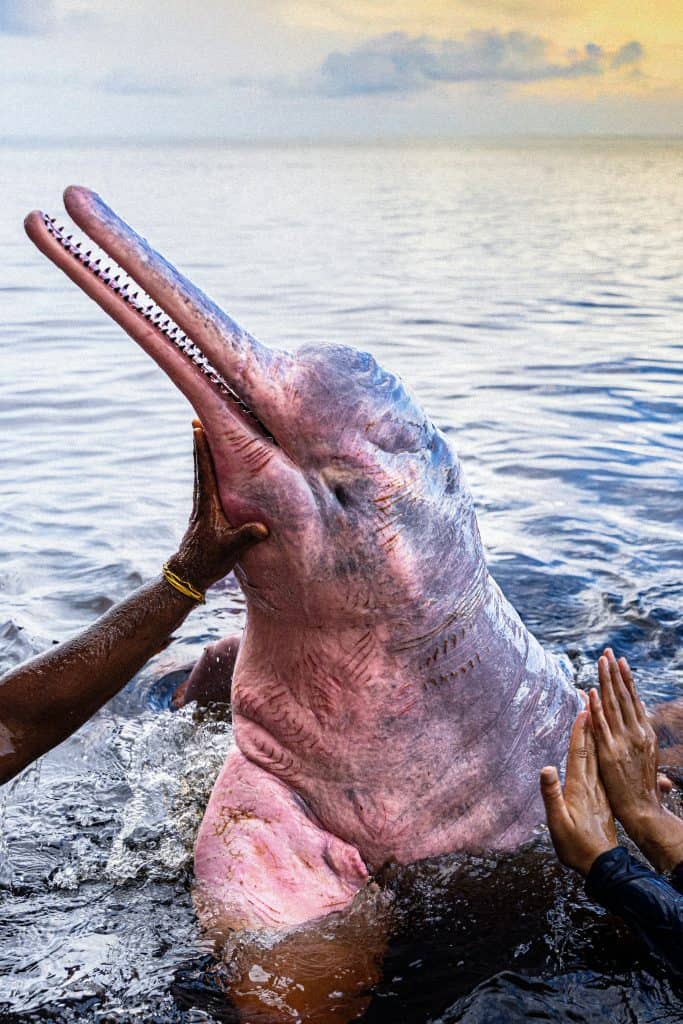
- Morning: Wildlife outing. You’ll putter down narrow tributaries while your guide scans for sloths, macaws, and pink river dolphins. Then comes a jungle walk, where a good guide is worth their weight in gold. They will help you spot wildlife and interesting plant life, like tarantulas by a single glinting thread of web, so that you can see them or avoid them.
- Afternoon: The post-lunch heat is intense, so some people nap in their air conditioned luxury cabin. Others might head out again to kayak, fish for piranha, or visit a riverside indigenous village.
- Evening: Dinner includes a briefing on the next day’s plan and an optional night skiff ride. You might be exhausted but don’t miss this experience as different animals come out at night. You might even see the caimans’ orange eyes light up.
High Water vs. Low Water: When to Cruise the Amazon
According to the Food and Agriculture Organisation, the river rises and falls dramatically through the year, and it shapes everything. During high water (roughly December to May in much of Peru), you glide through flooded forest at canopy level. During low water (roughly June to November), you get exposed beaches, riverbank walks, and more concentrated wildlife. Neither is better, just different.
Key Amazon Cruise Regions and Departure Hubs
Where you start decides what you’ll see.
- Iquitos, Peru: The classic hub, reachable only by air or river. Cruises head up the Marañón and Ucayali toward the Pacaya-Samiria National Reserve, a huge protected wetland known for dolphins, birds, and flooded forest. This is the most popular region for small-ship cruises.
- Manaus, Brazil: The gateway to the Brazilian Amazon. The big draw is the Meeting of the Waters, where the dark Rio Negro runs side by side with the pale, sandy Solimões before blending. Cruises here often explore the Rio Negro’s quieter, blackwater channels.
- Santarém and Belém, Brazil: Further downriver, with a mix of river life, beaches, and cultural stops. Good if you want less of the standard tourist circuit.
- Leticia, Colombia (tri-border area): Where Colombia, Peru, and Brazil meet. It’s more off the beaten path and popular with independent travellers.
- Coca, Ecuador: Starting point for trips on the Napo River and toward Yasuní, a region famous for its biodiversity. These are usually smaller, lodge-style experiences.
Heads up: Puerto Maldonado in southern Peru is a jungle gateway too, but it’s more lodge-based than cruise-based.
Luxury Amazon River Cruises
If you want to follow in the footsteps of those intrepid explorers but don’t want to rough it, a luxury river cruise is an ideal way to explore the Amazon.
Luxury Amazon river cruises typically offer:
- Spacious suites with floor-to-ceiling windows and real air conditioning
- Chef-led menus built around regional ingredients (the fruit is a highlight)
- Expert naturalist guides and low guest-to-guide ratios
- Extras like spa treatments, observation decks, and sometimes a plunge pool
Some well-known luxury operators include Aqua Expeditions (Aria Amazon, Aqua Nera) and Delfin Amazon Cruises, but check current itineraries and availability for yourself. My research says that a mid-range boat on a great route beats a luxury boat on a mediocre one. Luxury is lovely, but the spa doesn’t make up for a good guide to help spot a caiman for you. Choose luxury when the itinerary is also strong, with plenty of excursions, small groups, and named stops.
Common Amazon Cruise Itineraries and Activities
Instead of choosing the cruise company, compare itineraries before you compare prices, since a cruise on the Amazon River can mean very different things depending on the route, the ship size, and how many excursions run each day. Get that part right and the rest falls into place.
Sample Itineraries
- 3-night: A taster. Good for a short window, though you’ll spend a fair chunk of it just getting settled.
- 4-night: The sweet spot for many travellers, with enough time to see plenty without getting restless.
- 7-night: The deep dive. You’ll reach further tributaries and settle into the rhythm.
Activities you’ll likely do
- Skiff excursions through tributaries and flooded forest
- Guided jungle walks (day and night)
- Wildlife spotting: birds, dolphins, sloths, monkeys, caimans
- Kayaking or paddleboarding
- Piranha fishing
- Visits to riverside communities
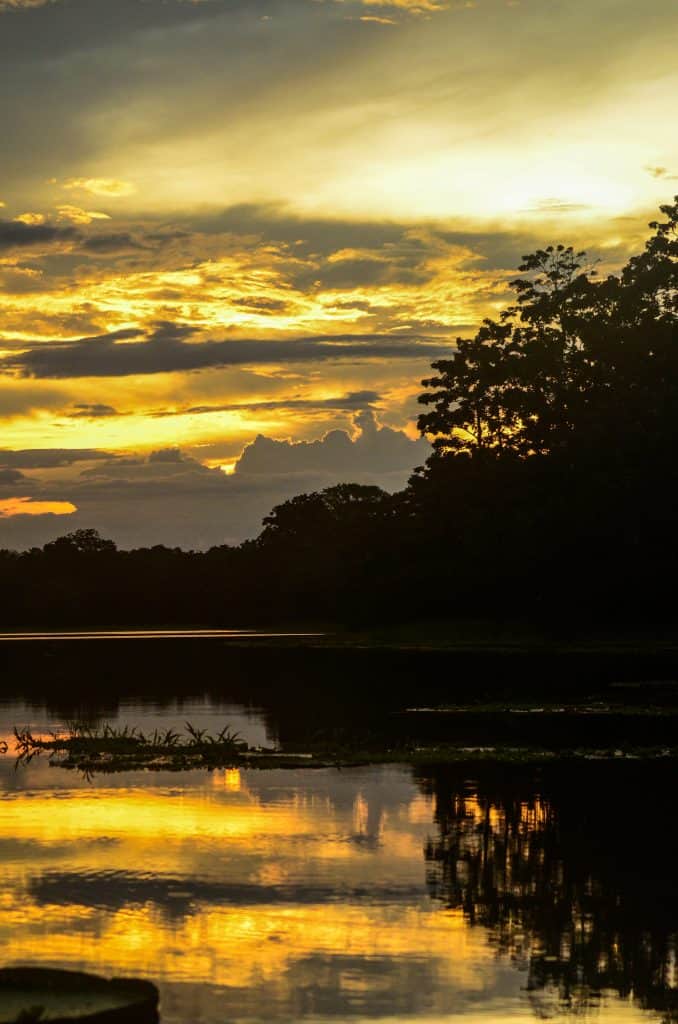
- Sunrise and sunset viewing from the deck
What You’ll Actually See (and What You Probably Won’t)
The National Oceanic and Atmospheric Administration and other scientific bodies consistently describe the Amazon as the most species-rich river system on the planet. So the variety of flora and fauna you will encounter, from a thumbnail-sized frog to a school of piranhas, becomes a highlights. Birds, lots of them, because there are thousands of species and they’re everywhere. Pink river dolphins almost always make an appearance. Sloths are common if your guide knows where to look and caimans show up on night rides. You probably won’t see jaguars or anacondas. They’re there, but the odds on a one-week trip are low.
After a couple of days, you will have gotten used to the sounds around you from the rainforest. The melodies that change from day to night.
Packing List for an Amazon Cruise
- Lightweight long sleeves in light colours, which help with the heat and the mosquitoes at dusk
- Two pairs of closed shoes, one for muddy landings and one to keep dry
- Binoculars (check if the boat lends them)
- A roll-top dry bag, because skiff spray is real
- A headlamp with a red-light mode, since white light spooks nocturnal wildlife
- Good insect repellent, reapplied through the day (it’s easy to forget after sunrise)
- Good factor 50 SPF, as you will be exposed to the elements all day, don’t forget that UV rays reflect off the water too.
Skip the drone (most operators don’t allow them and the noise ruins the moment) and the fancy clothes, as nobody dresses for dinner.
Tips for First-Time Amazon Cruisers
These are the tips that other travel writers shared.
- Pick the route first. It determines what you see. The boat determines how comfortable you are between sightings.
- Ask three questions before booking: How many passengers? How many excursions per day? Who leads them?
- Favour smaller ships (generally under 30 guests). They reach narrow tributaries that big vessels can’t, which means quieter water and more wildlife.
- Read the itinerary with suspicion. Look for specific named excursions, not vague “wildlife viewing” promises.
- Manage your expectations. Mud, mosquitoes, early morning and the occasional cold shower are part of the deal.
- Go offline. There’s little or no signal, so bring a real book and charge everything before you leave port.
- Bring extra memory cards. You’ll take 400 photos of the same sunset and still not have enough.
- Meet and talk to your fellow passengers. With no screens competing for attention, groups bond fast. This is a great way to meet like-minded travellers and share travel tales.
Conclusion: Start With the Route
The trip you imagine and the trip you’ll take only line up if you plan for the real one: mud, early starts, and a boat that smells faintly of diesel and rain. It will be the best week you’ll spend anywhere. Choose the route, match it to your comfort level, pack for the mud and mosquitoes and you will be amazed.