From Home Cooking to Professional: Turning Your Culinary Passion into Profit

Many people might know that I used to run a Malaysian suppperclub, one of the first in London. I got started hosting my first supperclub at Jamie Oliver’s Fifteen together with 3 other bloggers. From there, guests and others from social media kept asking to host more and it soon became a regular event in London. Ours was one of the first in London and nowadays, there are supperclubs in every style and for every type of cuisine.
Since COVID and the surge in interest in sourdough bread, there has been a surge in micro bakeries selling their bread to locals and shops, straight from their home kitchen. My friends at Bread Angels teach people how to make bread and start their own home business. Learn how to go from home cook to food entrepreneur in the UK. Discover everything you need to know about regulations, food hygiene, pricing, and growing your food business.
From Home Cook to Professional: How to Turn Your Love of Food into a Living
For many of us, the kitchen is where we feel most at home. Whether it’s the satisfying crackle of a sourdough crust or the quiet focus that comes with getting a dish just right, cooking is more than a hobby, it’s a calling. But transforming that passion into a sustainable income in the UK takes equal parts creativity and practical know-how.
If you’re serious about entering the industry, starting with hands-on experience in a professional kitchen can be invaluable. Platforms like Jooble can help you find entry-level roles that give you a real feel for commercial food production before you commit to launching your own brand. Whether you’re dreaming of a micro bakery at home, a supper club or a range of artisan sauces, there’s a clear path from kitchen table to commercial kitchen.
Know the rules and regulations before you start
In order to start a food business from your home kitchen, you need to follow some rules and regulations.
Business Registration: At least 28 days prior to trading you have to be registered at your local authority. This is free and results in a food hygienic inspection by an EHO to ascertain cleanliness and safety.
Hygiene Certification: Although having the physical paper is not a compulsory requirement, you must demonstrate that you handle food safely. It is strongly advisable to obtain a Level 2 Food Hygiene and Safety certificate as a way of indicating professional competence.
Allergens and Labelling: All the pre-packaged foods should list all the ingredients, and the 14 major allergens should be clearly pointed out.
Preparing Your Professional Workspace
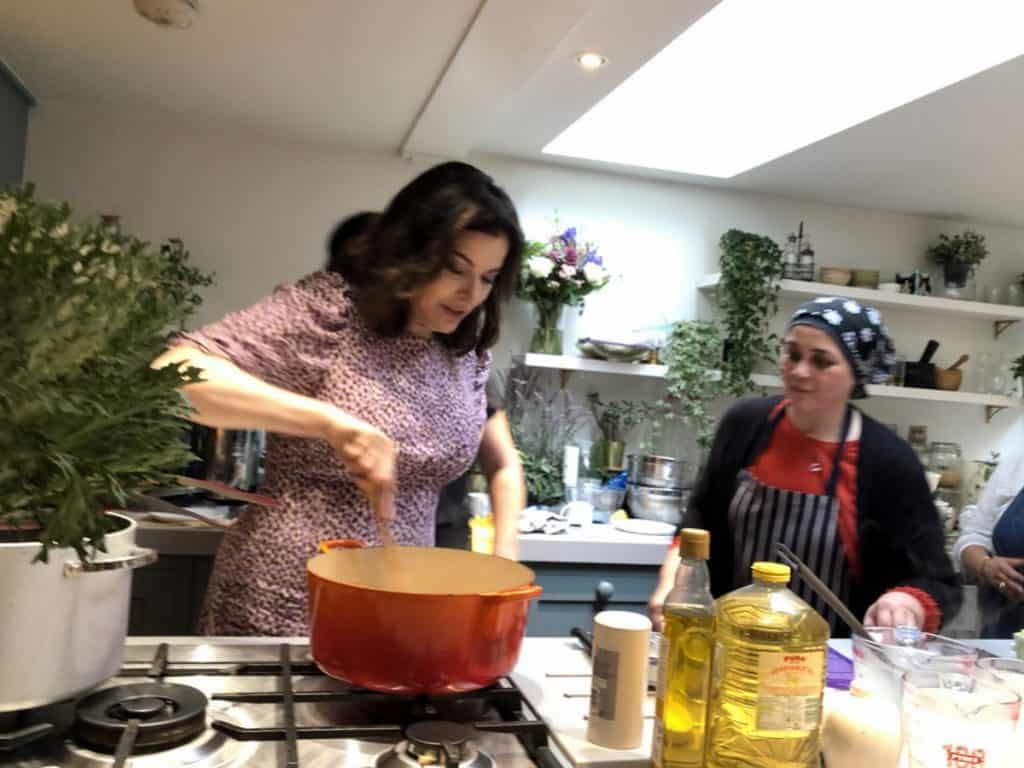
A home kitchen could be ideal for every day family meals but to start a food business at home, it needs to be a more professional operation. You do not always require a commercial-grade industrial kitchen to start your business but you are required to comply with certain hygiene requirements as stipulated by the FSA:
Zoning: You should be able to prove that pets and children are not allowed in the kitchen when conducting your food business.
Surface Safety: Do not use bare wood, instead us stainless steel or high-quality, easy to clean laminate is better.
Storage: If your food business is growing, you might need a fridge that is only used in the business to avoid cross-contamination with your personal food. You will also need to learn how to date and label the food kept in the fridge. We have all seen the nightmare scenarios on Gordon’s Kitchen Nightmares. They make great TV but you also need to know how to keep food from spoiling.
Handwashing: You should have a specific place to wash your hands with hand wash, which must not be the same place you wash your vegetables or dirty dishes.
Defining Your Niche and Business Model
To monetise your skills, there are many ways. Selecting the appropriate vehicle to use in cooking is very important in the long-term sustainability.
Micro-Catering: Dining out services to small events, supper clubs or office lunches. This is labour-intensive in terms of logistics and good margins.
The Product Route: Jams, chutneys or spice mixtures can be stored longer and are simpler to ship, so you can access a national market through the stores.
Direct-to-Consumer Prep Meal: As the UK lives a busy life, healthy, home-cooked meal prep is a thriving business.
Financials, Pricing, and Protection
When your intention is to make a profit out of a hobby, you need to treat it like a business and this is where a strategic change of financial thinking is necessary. Margins in the hospitality industry are infamously small and therefore, a full financial forecast and a business plan is essential. The most popular trap to avoid underpricing, include “Hidden Costs” which include packaging, utilities and waste. Make sure you price in your labour, so that you can be adequately compensated for your time.
Include Public Liability Insurance because normal home cover rarely covers business risks. Home Baker / Caterer policies in the United Kingdom are specifically designed for the home or caterer and are frequently quite affordable and offer the necessary coverage in case of claims.
Building Your Brand and Finding Customers
Local and authentic is a strong selling point in the UK food scene, so you need to start small and create a fan base and a stable community around your food business. Because customers eat with their eyes, good videos and photos on Instagram and TikTok is crucial to developing a visual menu that attracts your customers.
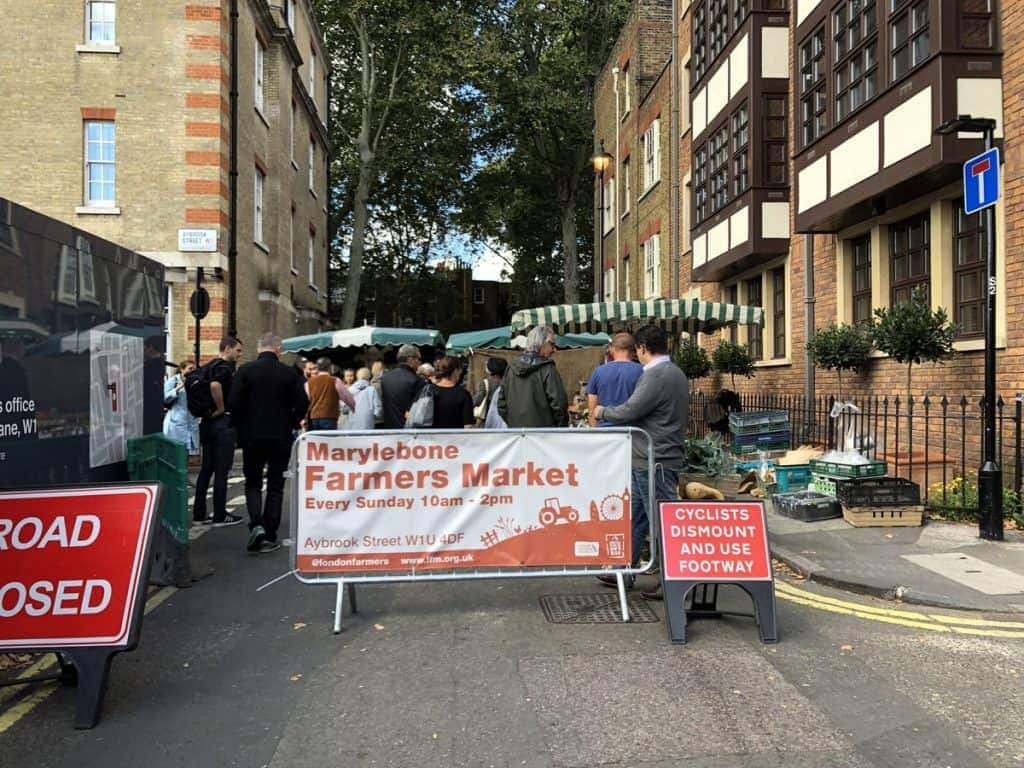
Food and farmers’ markets would be the perfect guinea pigs to test your assumptions before you increase your production. Lastly, capitalise on local networking and word-of-mouth because this is still the most effective in expanding an effective food business.
The UK has a fantastic culture of encouraging independent producers and small home businesses. It is the best place to convert passion into a successful company. You can become commercially successful by doing the right things according to the regulations, fair pricing and being yourself in your culinary way. It can be hard work and long working hours but if you love food, cooking and meeting new people, nothing will be more satisfying than seeing people enjoy a meal cooked with passion and love.